CANADA DIASPORA COMMITTEE
Diaspora Council Liaison
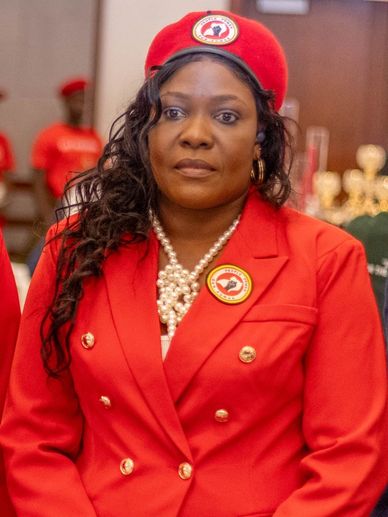
Brenda Nakato
- CEO and founder of Mulongo Diaspora foundation, a human rights activists and freedom fighter
Lead Coordinator
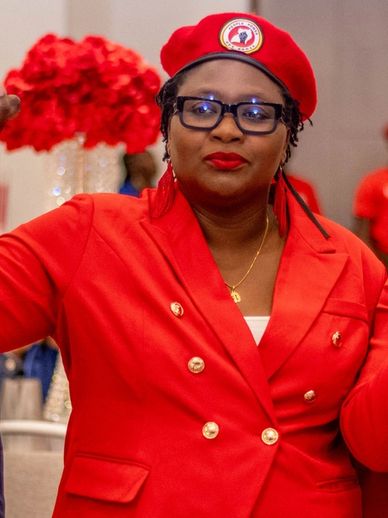
Doreen Kajumba
- Hold a Bachelor of Science in Accounting and Finance, is a member of ACCA, holds a Diploma in Community Work, pursuing a Bachelors in Community Development, certified in Citizenship accountability by STFX university and founder of The Center for social justice, Human Rights advocate and a freedom fighter
NUP Canada Chapter, Mobilizer (Kunga)
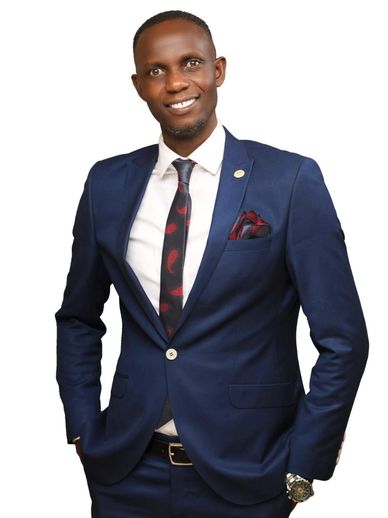
Remmy Townsent Kent Ntambi
NUP CANADA CHAPTER, Mobilizer (Kunga)
Canada spokesperson
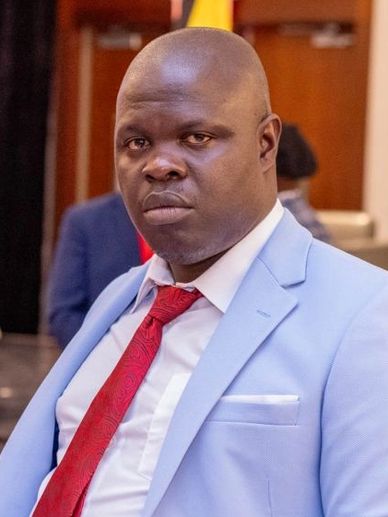
Ronald Magala
- Holds Masters in Aerenotics Engineering, Bachelors in electrical engineering is a Human rights activist.
Foreign Policy Advisor
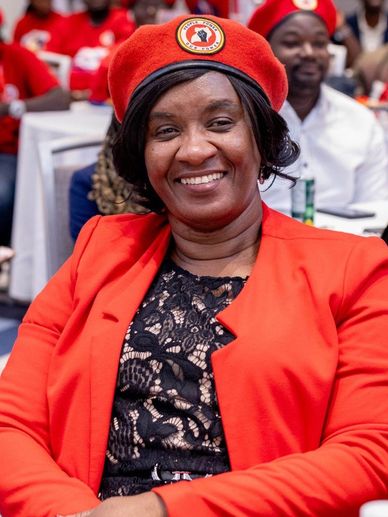
Joyce Mugisa
- She began her career as a teacher. She is a community social worker and a social justice advocate. She is also a founder of Tofayo.ca an immigration consultancy whose clients include new immigrants’ and community members. Joyce is also a certified interpreter and translator with the Government of Canada with many years supporting community members. Joyce serves on many community cultural boards and is currently the Secretary of Buganda Ku Ntikko Cultural Association, a member of Pamoja/ Shangazi team and Executive member of Munno-Mukabi. She is also a co-founder of Pride Uganda Alliance International.
Coordinator Toronto
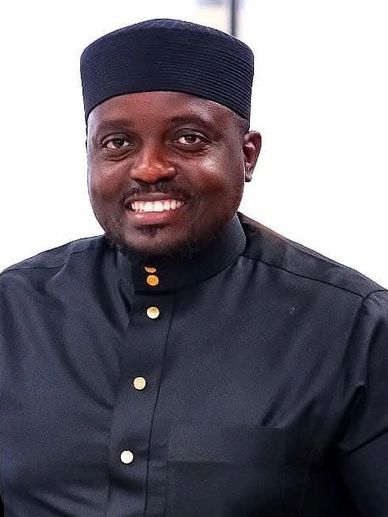
Mulangira Hassan Jjuuko
- Holds a Bachelor in business administration, Ambassador Kabaka Foundation and is a human rights activist.
NEWCOMER LIAISON
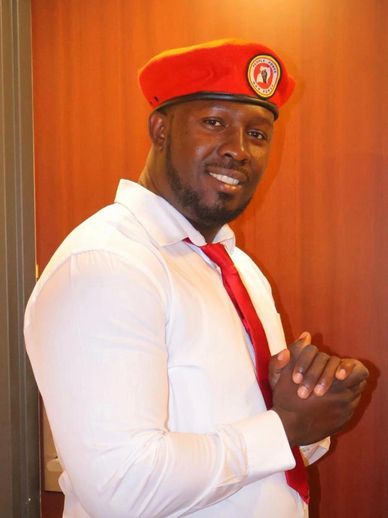
Bamulangaki Bandari
Holds a Deploma in project managent, a trucker driver and a Married Man
Coordinator Ottawa

Michael Kyobe Mbogo
- Graduate of Algonquin College of applied Arts in Network Communications Engineering currently works as a Medical applications specialist at Natus Medical as well as the founder of Ottawa cranes soccer club and holds asports officer position and is dedicated to removing dictator Museveni
Coordinator Niagara
Samuel Luggya:
- Holding a diploma in Medicine, he is a theatre assistant and Medical records officer by professional and current doing high school diploma in Canada. Majoring in Biology, Mathematics, English Literature, Gerontology.
Coordinator Conwell
Abaasi Mugisha
- Is a high-school teacher by profession, and currently helps with Managing the walmart distribution center in Conwell. He is a human rights activist
Coordinator Alberta
Charles Kyabaggu
- Is an Engineer, an entrepreneur, currently employed by Canada Post. President of Uganda cultural association of Alberta (UCAA)
Coordinator Hamilton
Shamim Namutebi
CEO Anna Bridals Entertainment, Hold a Bachelor of Arts in Entertainment Music Dance and Drama.
MEDIA COORDINATOR
Samuel Kisitu Ssettimba, also known as Freeman, is a Toronto-based Ugandan activist in exile, filmmaker, educator, and community organizer whose work connects historical memory, displacement, democracy, and decolonization. Rooted in his African ancestry and renewed commitment to traditional cultural beliefs, he has reclaimed the names Jjajja Kisitu Ssettimba as an affirmation of decolonising his identity, belonging, and responsibility to future generations. His work asks a central question: what does freedom mean when political independence, refuge, and citizenship leave the underlying structures of exclusion intact?
Born in Luwero, Uganda, Samuel inherited the wounds and contested promises of the 1980–1986 Bush War that brought Yoweri Museveni to power. His family lost relatives during the conflict, making the costs of political struggle part of his personal inheritance. He approaches this history through the experiences of families whose sacrifices helped sustain a liberation movement, yet whose hopes for accountable government remain unfulfilled. In his view, the language of “protecting the gains” has become a justification for preserving power, suppressing dissent, and demanding loyalty from generations still waiting for the freedoms promised to them.
Trained as a visual arts educator, Samuel taught in Uganda and South Sudan before extending his work into grassroots political mobilization. Forced into exile, he sought refuge in Canada in 2019 and adopted the name “Free Man” as both a declaration of survival and a claim to political agency. Homelessness, housing insecurity, and precarious work subsequently shaped his understanding of freedom in Canada. These experiences sharpened his conviction that protection must include the material conditions that make dignity possible: secure housing, decent work, family unity, and an effective voice in public life. After reuniting with his family in 2024, he later welcomed his son, Mutesa Kisitu, named in honour of Sir Edward Mutesa II—a connection between ancestral memory and the future his children will inherit.
Samuel’s life unfolds within a longer relationship between Uganda and Canada. Diplomatic ties began in 1962, following Uganda’s independence, and Canada’s reception of Ugandan Asians expelled by Idi Amin in 1972 became a significant chapter in their shared history of displacement and resettlement. His own journey adds another perspective to that relationship: the experience of a political exile who seeks safety while continuing to challenge the conditions that force people from their homes.
He brings a critical historical perspective to his adopted home. Canada’s residential school system sought to sever Indigenous children from their families, languages, and cultures—a history that informs his commitment to cultural reclamation and solidarity. Samuel understands African struggles for self-determination and Indigenous struggles in Canada as distinct histories that demand sustained attention to land, memory, sovereignty, and accountability. For him, building a life in Canada carries a responsibility to learn whose lands provide refuge and whose struggles continue within them.
Through work with the Migrant Workers Alliance for Change, the National Unity Platform Canada Chapter, and other community networks, Samuel connects Uganda’s democratic struggle with campaigns addressing racism, labour exploitation, and housing insecurity in Canada. Inspired by the People Power Movement led by Robert Kyagulanyi Ssentamu, known as Bobi Wine, he advocates for meaningful diaspora participation in shaping Uganda’s future. He sees diaspora communities as political constituencies whose knowledge, labour, cultural contributions, and organizing power deserve recognition alongside their financial contributions.
This perspective shapes his vision for Uganda–Canada relations. Samuel argues that diplomacy, development assistance, trade, and security cooperation should be judged by their consequences for ordinary people. He calls for relationships that uphold democratic accountability, protect political participation, support fair economic opportunity, and defend the right to dissent. His vision places a clear responsibility on both countries: Uganda must offer its people a future they can freely help build, while Canada must make refuge and inclusion meaningful through its institutions and everyday practices.
As the founder of My Community My Concerns, Samuel uses documentary film, performance, visual art, and writing to bring marginalized experiences into public debate. His developing documentary, Reclaiming the Real Wakanda, examines African governance traditions, Buganda’s historical memory, and the contested inheritance of liberation. It asks how communities can reclaim the authority to interpret their past and shape their political futures. His storytelling treats people who have endured displacement and exclusion as witnesses, thinkers, and agents of change.
Samuel is also a contributing voice in Camelia Tigau’s How to Save Your New Life: Intellectual Exile in 21st-Century North America. Across his activism, teaching, and filmmaking, he advances a vision of collective freedom grounded in historical truth, cultural dignity, and public accountability. For Samuel Kisitu Ssettimba—Freeman—the future must be one in which people can remain in their homelands without fear, move without losing their dignity, and belong without surrendering their voice.
